
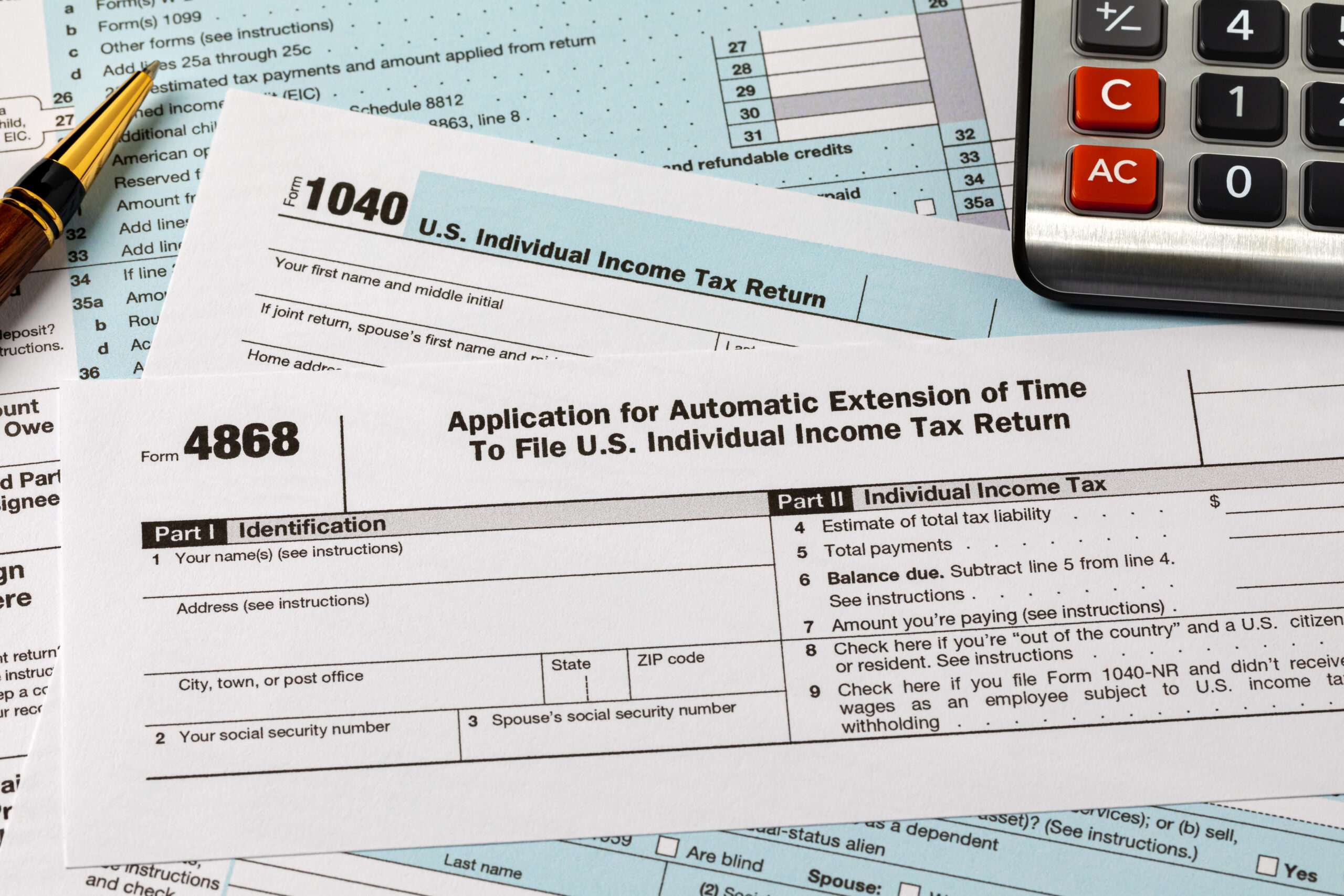
Key Takeaways
- A filed extension means no return transcript exists yet.
- Transaction code 460 appears on an account transcript when the extension is accepted, and lenders using Form 8821 can pull it without going back to the borrower.
- “Accepted” and “processed” IRS forms are not the same status.
- An e-filed return gets an acceptance confirmation immediately, but the transcript won’t be available for another 2–6 weeks during peak extension season.
- SBA SOP 50 10 8 requires lenders to obtain a copy of the filed extension and evidence of estimated tax payment when the return transcript isn’t available.
- Form 8821’s ongoing authorization means lenders don’t have to resubmit when a tax return posts. With Form 4506-C, a new request is required every time.
What Happens to Tax Transcript Availability When Your Borrower Files an Extension
When your borrower files a tax extension, the return transcript won’t exist until the IRS processes the actual return.
Here’s exactly what the IRS shows during the extension period, when transcripts become available, and why your transcript retrieval method determines how much the transcript availability gap actually costs.
Here’s exactly what the IRS shows during the extension period, when transcripts become available, and why your transcript retrieval method determines how much the transcript availability gap actually costs.
Why An Extension Creates a Transcript Gap
Filing an extension gives borrowers an extra 6 months to file their return.
Until the borrower files the return and the IRS processes it, there is no return transcript on file. A request submitted during this window comes back as “No Record of Return Found” for that tax year. This is the same result you’d see if the return was never filed at all.
For more on diagnosing blank transcript results, see Why IRS Transcripts Sometimes Come Back Blank — And How to Fix It.
Until the borrower files the return and the IRS processes it, there is no return transcript on file. A request submitted during this window comes back as “No Record of Return Found” for that tax year. This is the same result you’d see if the return was never filed at all.
For more on diagnosing blank transcript results, see Why IRS Transcripts Sometimes Come Back Blank — And How to Fix It.
What the IRS transcript actually shows
“No return transcript” doesn’t mean there’s no information.
However, the IRS account transcript does reflect that an extension was filed. Transaction code 460 appears on the account transcript when the form used to file an extension has been accepted.
For lenders using Form 8821, this matters. Form 8821 authorizes access to a borrower’s tax account broadly, not just return transcripts. A lender can pull the account transcript to confirm an extension is on file without going back to the borrower. That’s a material advantage over a blank “no record found” result with no context.
The distinction between transcript types is worth keeping clear:
However, the IRS account transcript does reflect that an extension was filed. Transaction code 460 appears on the account transcript when the form used to file an extension has been accepted.
For lenders using Form 8821, this matters. Form 8821 authorizes access to a borrower’s tax account broadly, not just return transcripts. A lender can pull the account transcript to confirm an extension is on file without going back to the borrower. That’s a material advantage over a blank “no record found” result with no context.
The distinction between transcript types is worth keeping clear:
Transcript Type | What It Shows | Available During Extension Period? |
|---|---|---|
Return Transcript | Line items from the filed return | No— not until return is processed |
Account Transcript | Account activity, payments, transaction codes (incl. code 460) | Yes |
Record of Account | Combines return + account data | Partial— account data available; return data not until filed |
Further, SBA SOP 50 10 8 states that the transcript being used to verify a borrower’s finances must include indications of any requested changes to the original return.
The only transcript type that will fulfill this SBA requirement is an Account Transcript.
The only transcript type that will fulfill this SBA requirement is an Account Transcript.
When Transcripts Become Available for Extension filers
Once the borrower files, availability depends on how they filed and whether taxes were paid.
Filing Method | Transcript Available Approx. |
|---|---|
Electronic — refund or balance paid in full | 2-3 weeks after filing |
Electronic — balance due, paid after filing | 3-4 weeks after full payment |
Electronic — balance due, not paid in full | Additional weeks; IRS processes in batch |
Paper return | 6-8 weeks after mailing |
Filed late | 16 weeks or more |
One important distinction: an e-filed return generates an “accepted” confirmation immediately upon transmission. That acknowledgment is not the same as the return being processed. The IRS confirms receipt first and processes it afterward, which typically takes 3–6 weeks during peak extension season. Pulling a transcript before that window has passed will still return “No Record of Return Found,” even if the borrower filed on time.
What the SBA Requires When the Transcript Isn't Available Yet
The SBA does not allow lenders to disburse funds before transcript verification is complete, with one documented exception for extension filers.
Per SBA SOP 50 10 8, if the applicant filed an extension for the most recent fiscal year, the lender must obtain:
This documentation substitutes for the return transcript while the return is being processed. It satisfies the SBA’s verification requirement for the extension year, but only if it’s in the file before disbursement.
If the return has been filed but the transcript is still unavailable due to IRS processing delays, the SBA permits the lender to proceed if both of the following are obtained:
Without this documentation, the default rule is strict: no disbursements, and the loan must be canceled or the closing postponed.
Per SBA SOP 50 10 8, if the applicant filed an extension for the most recent fiscal year, the lender must obtain:
- A copy of the filed extension (Form 4868 or Form 7004)
- Evidence of estimated tax payment for that year
This documentation substitutes for the return transcript while the return is being processed. It satisfies the SBA’s verification requirement for the extension year, but only if it’s in the file before disbursement.
If the return has been filed but the transcript is still unavailable due to IRS processing delays, the SBA permits the lender to proceed if both of the following are obtained:
- Proof of filing — an IRS e-file submission confirmation or a paper return stamped as received
- Proof of payment or refund — documentation reconciling the tax liability stated on the return
Without this documentation, the default rule is strict: no disbursements, and the loan must be canceled or the closing postponed.
Form 8821 Advantage during extension season
This is where the transcript retrieval method changes the workflow materially.
With Form 4506-C, authorization is tied to a single request. Once the borrower files after their extension, the lender submits a new Form 4506-C, waits for IRS processing, and chases the result. This adds weeks to an already compressed post-October timeline.
With Form 8821, the authorization is ongoing. The lender’s access to the borrower’s tax account is already in place. When the return posts, it becomes available through the existing authorization without resubmission.
During extension season, that’s not a minor operational difference.
Lenders processing SBA loans in Q4, when a significant share of borrowers file on extension, can face stacked re-request queues under a 4506-C workflow. Under Form 8821, the access is continuous and the return appears when the IRS processes it, with no additional action required from the lender.
Further, TOD’s ongoing monitoring notifies lenders when transcripts become available, eliminating the need to manually check for status updates.
With Form 4506-C, authorization is tied to a single request. Once the borrower files after their extension, the lender submits a new Form 4506-C, waits for IRS processing, and chases the result. This adds weeks to an already compressed post-October timeline.
With Form 8821, the authorization is ongoing. The lender’s access to the borrower’s tax account is already in place. When the return posts, it becomes available through the existing authorization without resubmission.
During extension season, that’s not a minor operational difference.
Lenders processing SBA loans in Q4, when a significant share of borrowers file on extension, can face stacked re-request queues under a 4506-C workflow. Under Form 8821, the access is continuous and the return appears when the IRS processes it, with no additional action required from the lender.
Further, TOD’s ongoing monitoring notifies lenders when transcripts become available, eliminating the need to manually check for status updates.
Have questions about transcript retrieval or for your institution?
Connect with the TOD team to learn how ongoing tax monitoring fits into your portfolio monitoring needs.